
Understanding the psychology behind winning and losing in casinos
The Role of Luck in Casino Games
Luck is often the first factor that comes to mind when discussing casinos. Many players believe that winning is purely a matter of chance. This belief can lead to a phenomenon known as the “gambler’s fallacy,” where individuals think past outcomes influence future results. For example, if a player experiences several losses in a row, they may feel that a win is “due,” not realizing that each game is an independent event. Within this context, exploring australian online casino options can highlight how players are navigating their fortunes online.
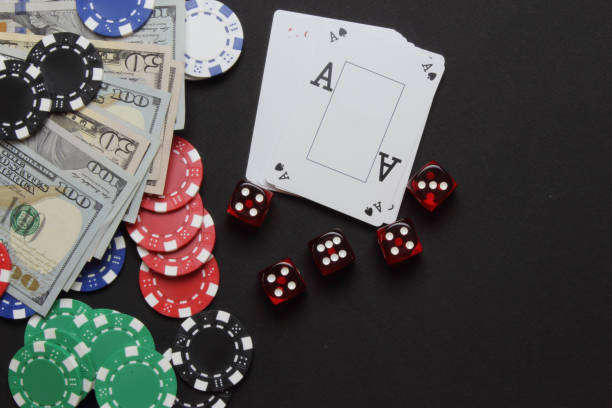
This reliance on luck can also create a euphoric feeling when players experience winning streaks. The brain releases dopamine, a neurotransmitter that promotes feelings of pleasure and reward. This chemical reaction can make players more likely to return to the casino, hoping to replicate the high of their previous wins, thereby reinforcing the cycle of gambling behavior.
The Impact of Emotions on Gambling Behavior
Emotions play a significant role in gambling, influencing decision-making processes. Players often experience a rollercoaster of feelings, from excitement during a winning moment to despair when losses accumulate. These emotional highs and lows can cloud judgment, leading to impulsive betting behaviors and a desire to chase losses. In fact, many celebrity gamblers also face similar emotional ups and downs while trying to manage their betting strategies.
Additionally, many players engage in “emotional gambling,” where they bet to escape negative feelings or enhance positive ones. This can create a dangerous loop, making it difficult for individuals to establish boundaries. Understanding these emotional triggers can help gamblers make more rational decisions and manage their gameplay effectively.
The Psychology of Risk and Reward
The allure of casinos lies in their ability to offer significant rewards for relatively small risks. Players are often drawn to the idea of turning a small wager into a substantial win. This desire for high rewards can lead to risk-taking behavior, as the excitement of potentially winning big overshadows the reality of likely losses.
This psychological concept is known as “prospect theory,” which suggests that people perceive potential losses more intensely than equivalent gains. As a result, the fear of losing may lead players to take risks they wouldn’t ordinarily consider. Understanding this psychology helps clarify why some players may continue betting despite mounting losses, driven by the hope of a big win.
The Role of Environment in Gambling Decisions
The environment of a casino plays a crucial role in shaping players’ experiences and behaviors. Elements such as lighting, sound, and layout are meticulously designed to create an atmosphere that encourages gambling. Bright lights and loud sounds can heighten excitement and draw players into the gaming experience.
Moreover, the presence of other players can foster a sense of community or competition, influencing individual decisions. Gamblers may feel more encouraged to place bets when surrounded by others who are also engaging in the experience. Understanding how these environmental factors impact behavior can help individuals make more conscious decisions while gambling.
Exploring Responsible Gaming Practices
For those looking to enjoy the thrill of gambling while minimizing risks, responsible gaming practices are essential. Awareness of personal limits, both financially and time-wise, can help individuals maintain control over their gambling habits. Setting budgets and sticking to them are crucial steps in ensuring a positive gambling experience.
Additionally, seeking support from friends or family members can help reinforce responsible behaviors. Many casinos also offer resources for players to self-exclude or find assistance if gambling becomes problematic. By being proactive and informed, players can navigate the complex emotions and psychological factors associated with winning and losing in casinos, making their experiences more enjoyable and sustainable.